How to photograph your home for an exterior redesign
A clear set of photos makes remote design more accurate. Here is exactly what to capture before you send your brief.
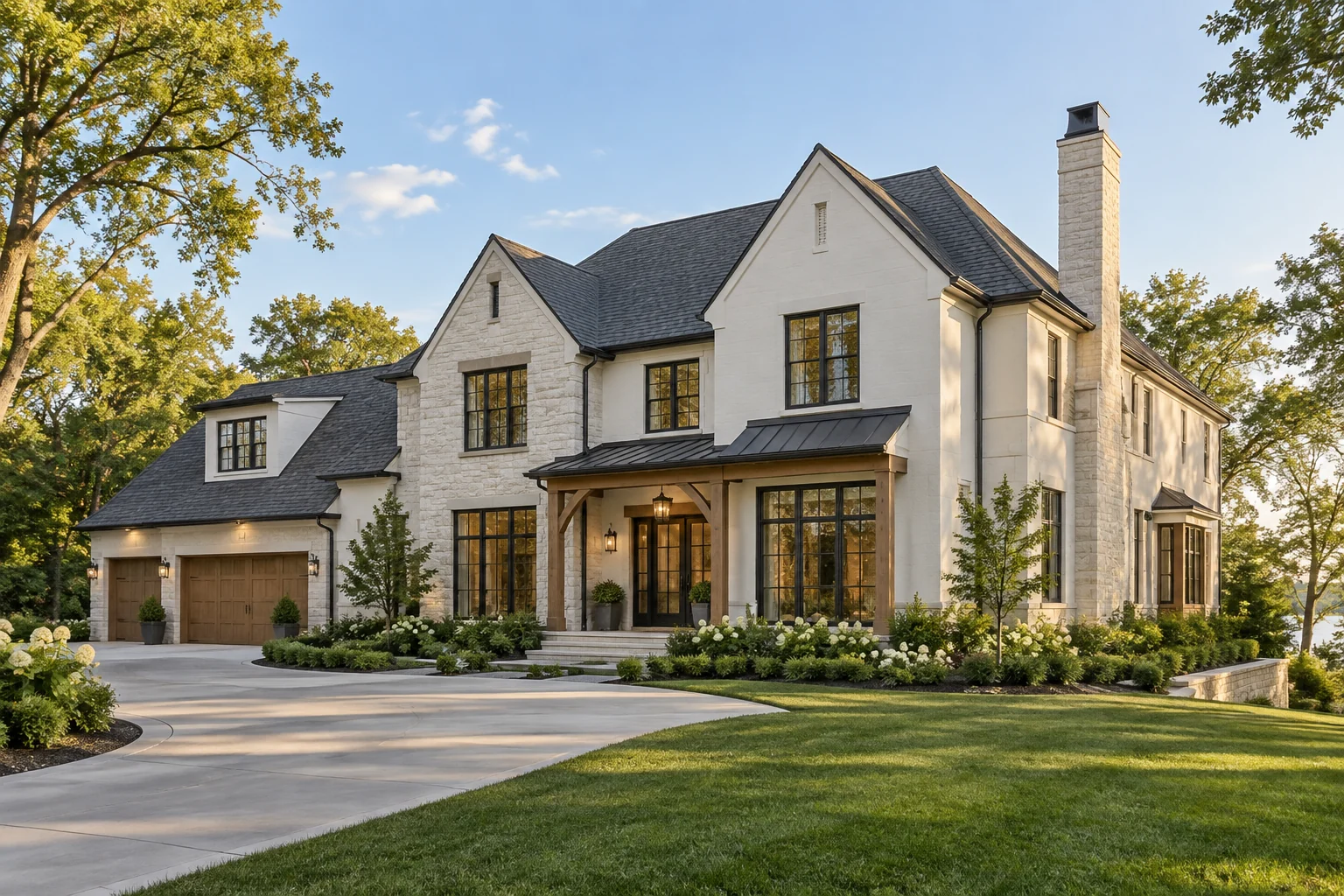
Good exterior design starts with a clear understanding of the house as it exists. A beautiful close-up of the front door can show texture, but it cannot explain the roofline, window spacing, or how the entry relates to the driveway. The most helpful photographs are straightforward, complete, and taken from a few consistent viewpoints.
You do not need professional equipment. A phone camera in good daylight is enough. Aim to document the architecture rather than make the house look more dramatic.
Start with the whole elevation
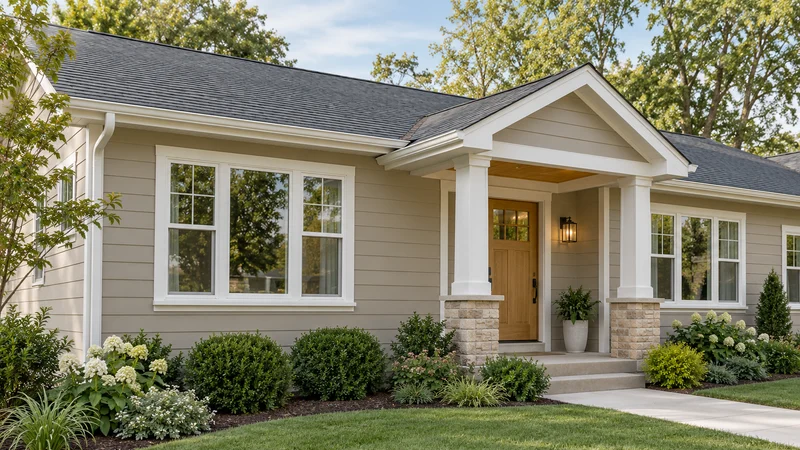
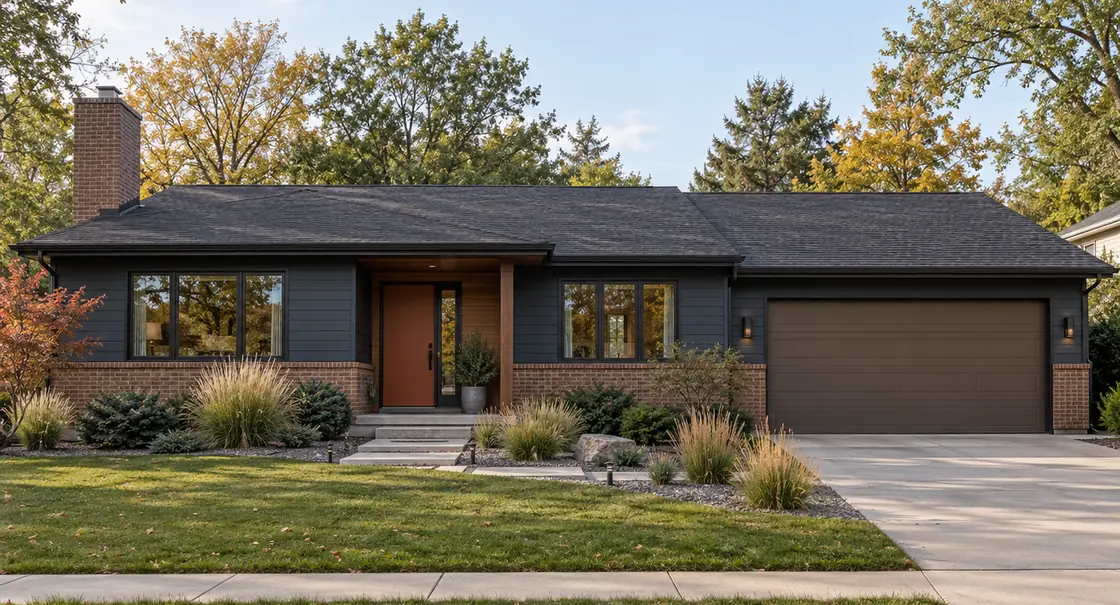
Stand far enough back to fit the entire front exterior in one frame, including the roof, ground line, and both outer edges. Hold the camera level. Then take a second image from each front corner so the depth of the porch, garage, and side walls becomes clear. If the project includes the backyard or another side, repeat the same approach there.
Avoid the phone's very wide lens if it stretches the edges of the house. If you cannot move back enough, take overlapping images from a level position and explain that the view is partial. Do not step into traffic or climb anywhere unsafe to obtain a photograph.
Capture the parts that affect decisions
Photograph the roof material, windows, trim, brick or stone, doors, porch, garage doors, fixtures, paving, and existing planting. Include a close view and a wider view for each important material. A close-up tells us the texture; the wider image tells us where it sits in the composition.
If there is damage, an awkward junction, or a feature you particularly dislike, show it plainly. Those details often shape the design more than the polished views do. A short note about what can and cannot change is equally valuable.
Give the design context
Photograph the approach from the street and the view from the driveway. Note which direction the front faces and any strong shade from trees. If you have an existing survey, elevation drawing, or rough dimensions, include them, but do not guess measurements you are unsure about.
Finally, add a few inspiration images with one sentence about each: perhaps you love the warm plaster, the scale of the lanterns, or the softness of the garden. The goal is to explain the feeling and the specific details you respond to, not to copy another home exactly.